
The intrigue of gambling understanding the psychology behind the thrill
The intrigue of gambling understanding the psychology behind the thrill
The Allure of Risk
Gambling is often seen as a thrilling activity that attracts many due to its inherent risk. The adrenaline rush associated with betting on uncertain outcomes creates an exhilarating experience. This sensation is deeply rooted in our psychological makeup, tapping into the brain’s reward pathways. When individuals place a bet, they activate these pathways, which release dopamine, a neurotransmitter that contributes to feelings of pleasure and excitement. Furthermore, many people turn to resources like bs22aucasino-australia.com to enhance their understanding of the activity. This chemical response can lead to a heightened sense of enjoyment, making the act of gambling enticing and addictive.
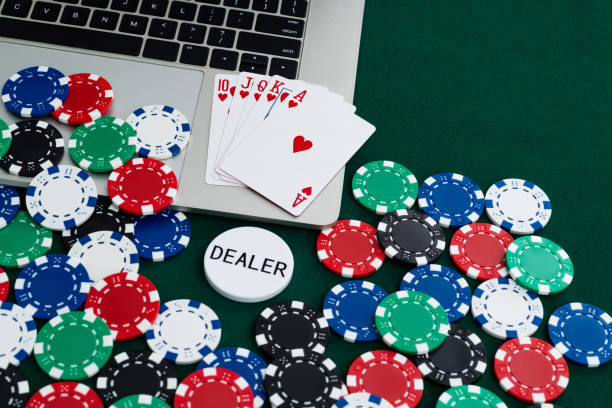
The desire for risk is not merely about monetary gain; it also serves as a form of escapism for many. In a world filled with pressures and responsibilities, the unpredictability of gambling offers a temporary respite. This allure is amplified in social contexts, where shared experiences of winning and losing can strengthen bonds among participants. The social aspect of gambling—whether in a casino or online—adds layers of excitement and engagement, fueling the desire to participate further.
Moreover, the concept of risk-taking can vary significantly from person to person. Some individuals are thrill-seekers who chase the adrenaline rush of potentially losing everything, while others may engage in gambling to enjoy the social environment it provides. This variance adds complexity to the psychology behind gambling, as it appeals to diverse personality types and their respective motivations for engaging in risky behavior.
The Impact of Cognitive Biases
Cognitive biases play a significant role in how individuals perceive gambling and make decisions. One common bias is the illusion of control, where players believe they can influence the outcome of a game, even when it is purely chance-based. This misconception can lead to overconfidence in one’s betting choices, encouraging further participation even after losses. Gamblers may feel that their past experiences can predict future results, fueling the urge to continue betting despite statistical odds being against them.
These cognitive distortions are not limited to novice gamblers; even seasoned players can fall prey to them. The psychological pull of these biases underscores the need for education about responsible gambling. By recognizing these cognitive traps, individuals can make more informed choices and reduce the likelihood of developing unhealthy gambling habits. Awareness of cognitive biases is crucial for both players and those involved in creating responsible gaming environments.
The Role of Emotions in Gambling
Emotions play an undeniable role in gambling behavior, influencing decisions and experiences during play. The euphoria of winning can trigger intense feelings of joy and satisfaction, while the despair of losing can lead to frustration and anxiety. These emotional highs and lows can create a rollercoaster effect, drawing individuals back into gambling to recapture those exhilarating moments. This cyclical pattern often makes it challenging for players to step away, as they become tethered to the emotional fluctuations associated with their bets.
Additionally, gambling can serve as an emotional outlet for individuals grappling with stress or other personal issues. The act of betting can provide a temporary distraction from life’s challenges, allowing players to immerse themselves in an alternate reality. However, this coping mechanism can become detrimental if it leads to compulsive gambling behavior. As emotional states fluctuate, players may find themselves chasing losses in hopes of regaining a sense of control or happiness.
The interplay between emotions and gambling underscores the importance of addressing mental health when discussing responsible gambling practices. For those who find themselves relying on gambling as a primary source of emotional relief, interventions and support systems are essential. Understanding the emotional landscape of gambling helps both individuals and organizations create better frameworks for promoting healthy gambling habits.
The Social Environment of Gambling
The social context in which gambling occurs significantly contributes to the overall experience. Gambling is often associated with camaraderie, where friends gather to enjoy games together. This social aspect not only amplifies excitement but can also influence decisions regarding when and how much to gamble. The communal environment fosters a sense of belonging, as participants cheer for each other’s wins and share in the disappointments of losses.
Moreover, the presence of social pressures can also impact gambling behavior. Individuals may feel compelled to continue playing or increase their bets based on peer influences, leading to higher stakes than they might typically engage in alone. This dynamic can intensify the thrill of gambling, creating an environment where rational decision-making may falter in the face of collective enthusiasm or competition.
Understanding the social dimensions of gambling is vital for fostering a healthier gaming culture. Encouraging responsible behavior among peers and creating supportive networks can help mitigate risks associated with gambling. As social factors often contribute to gambling habits, promoting awareness of these influences is essential in building healthier gambling practices within communities.

Explore More About Responsible Gambling
At our website, we delve deeper into the psychology of gambling and its impact on individual behavior. Our aim is to provide resources that help individuals understand their gambling habits better. Whether you are a novice looking to learn the ropes or someone seeking to understand the psychological elements at play, we offer articles, guides, and expert insights to facilitate responsible gaming practices.
By exploring the intricate relationship between psychology and gambling, we empower individuals to make informed decisions. Our content covers not only the thrill of gambling but also the potential pitfalls, encouraging a balanced approach to gaming. With resources tailored for all experience levels, we are committed to fostering a safer and more enjoyable gambling environment for everyone.
“`